The Rise of Wearable Technology
Smart glasses represent the next frontier of wearable technology, blending artificial intelligence, augmented reality, and fashion into everyday life. This article explores how devices like the Ray-Ban Meta Smart Glasses and Apple Vision Pro are reshaping digital interaction while raising important questions about privacy, ethics, and the future of wearable tech.
In a world where technology is finding more ways to be more incorporated into daily life, the rise of wearable technology, like smart glasses, shows the growing fusion of technology and fashion. These devices combine artificial intelligence (AI) with augmented reality (AR) to create new ways for users to interact with the world. From displaying real-time information to enabling immersive experiences, smart glasses are increasingly shaping the future of digital interactions.
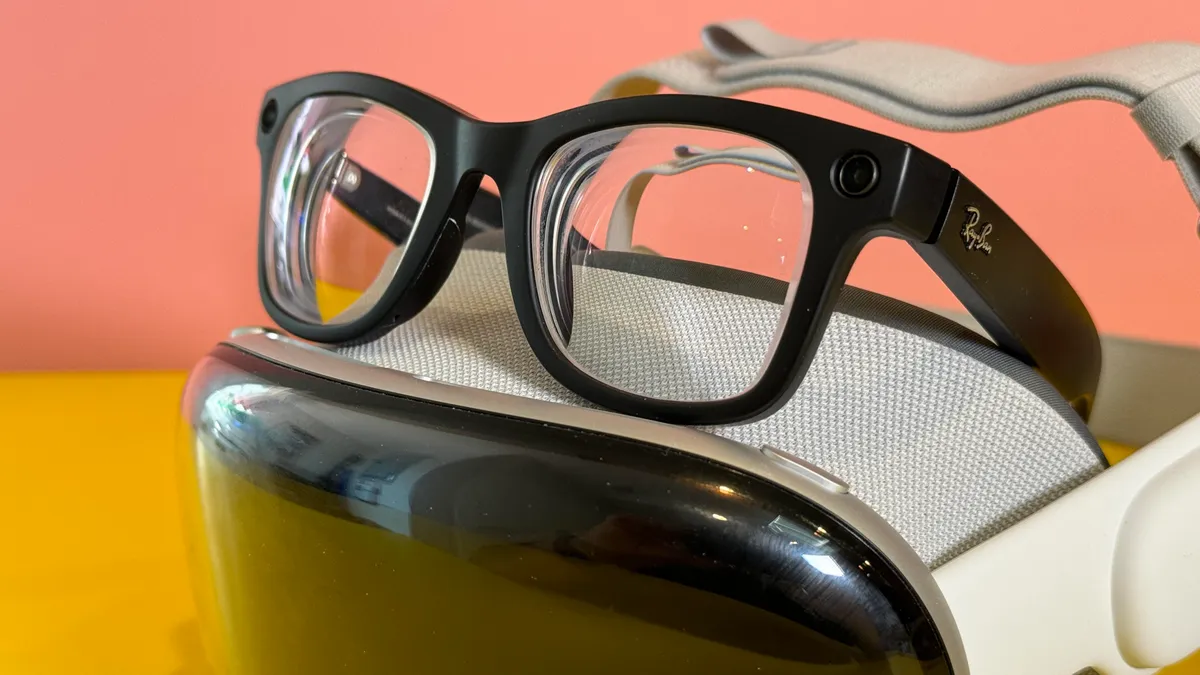
Two Paths Forward: Apple vs. Meta
Apple’s Vision Pro and Meta’s collaboration with Ray-Ban are great examples for where smart glasses technology is heading. Apple’s Vision Pro, announced in 2024, uses AR to merge physical space with a virtual environment, allowing users to interact with digital content while going through life.
In contrast, the Ray-Ban Meta Smart Glasses aim for more subtle everyday use. These glasses are not only stylish but allow the user to take photos, make calls, and listen to music without other devices. Recently, they have also integrated AI capabilities.
Aesthetic Meets Utility
What makes the Ray-Ban Meta Smart Glasses stand out is its design – it includes advanced technology without compromising comfort and style. By maintaining Ray-Ban’s iconic Wayfarer and Aviator frames, the glasses integrate tech in a subtle manner, appealing to people who value both aesthetics and utility.
The glasses also maintain the same lightweight and durable construction as other Ray-Ban glasses. After earlier generations of wearable tech being criticized for being overly “techy” in appearance, the Meta Smart Glasses aim to be more discreet, making the glasses not just a piece of tech, but also a fashion accessory.
Smart Features Without the Bulk
The glasses are not only about looks, they are also packed with cutting-edge technology. With dual 12-megapixel cameras integrated into the frame, users can capture high-quality photos and videos hands-free. They also include open-ear speakers and multiple microphones, enabling clear phone calls and listening to music without headphones.
A particularly innovative aspect is the touch-sensitive arms allowing for control over the glasses without extra buttons and the built in voice control AI that can carry out tasks through voice commands. However, despite these advancements, the Meta Smart Glasses currently lack AR capabilities for displaying information in real-time in front of a user.
Privacy in the Age of Smart Eyewear
While these advancements can be beneficial and increase the efficiency of everyday life for users, the integration of cameras and recording capabilities in public without detection has raised privacy and ethical concerns. The discrete nature of the feature can lead to invasions of privacy, similar to scenarios in dystopian stories like The Entire History of You in the popular TV show Black Mirror, where people could record and replay everything they see, leading to a breakdown in personal privacy and trust.
While Meta has attempted to address these concerns by including a LED light that turns on when recording, public opinion remains divided. A project done by Harvard students AnhPhu Nguyen and Caine Ardayfio showcase the negative capabilities of smart glasses technology. In a video posted on X, Nguyen uses his own smart glasses with a hidden camera and AI system to display a scenario where a user can gain access to personal information, such as addresses and personal background, just by having an AI detect a passerby's face.
The Road Ahead
Looking forward, as wearable tech becomes more prevalent, creating stricter and more ethical guidelines to counter privacy challenges will remain an important aspect of innovation. The future of smart glasses seems to be geared towards more immersive AR experiences and more seamless AI integration. Big companies like Meta, Apple, and Google are already pushing the boundaries to incorporate tech into daily life.
The Ray-Ban Meta Smart Glasses are an exciting new combination of fashion with technology. While they offer significant advancements in hands-free technology incorporated with comfort, there are still challenges related to privacy and inclusion of AR features. As technology develops, it will be interesting to see how wearable technology can become an essential tool in daily life.