Is the Oura Ring Worth It? A Dive into the Future of Health Tech
As wearable technology becomes increasingly integrated into daily life, the Oura Ring has emerged as a leader in health tracking. This article explores the technology behind the ring, its impact on personal wellness, and the broader questions surrounding data, accessibility, and the future of health tech.
In 2025, health-conscious living isn’t just a trend — it’s a lifestyle. From mental wellness to recovery optimization, people are seeking ways to take control of their health. This discussion has intersected with technology, leading to a rise in wearable devices that help individuals monitor and manage their well-being.
The health tech market has strived to improve their products by making them more sleek, more precise, and a better integration into daily life. The Oura Ring, a lightweight wearable, is an example of all these trends in one product. By condensing its many health-tracking capabilities into a subtle piece of jewelry, it has been top in the field.
Evolution of Health Tech
Health tech has come a long way—from basic pedometers to wrist-based fitness trackers to fully integrated smartwatches. The latest wave focuses on subtlety, precision, and everyday wearability. The Oura Ring embodies all three.
By consolidating complex biometric tracking into a piece of jewelry, the Oura Ring reflects a major industry trend: powerful functionality delivered through elegant form.
What Makes the Oura Ring Stand Out
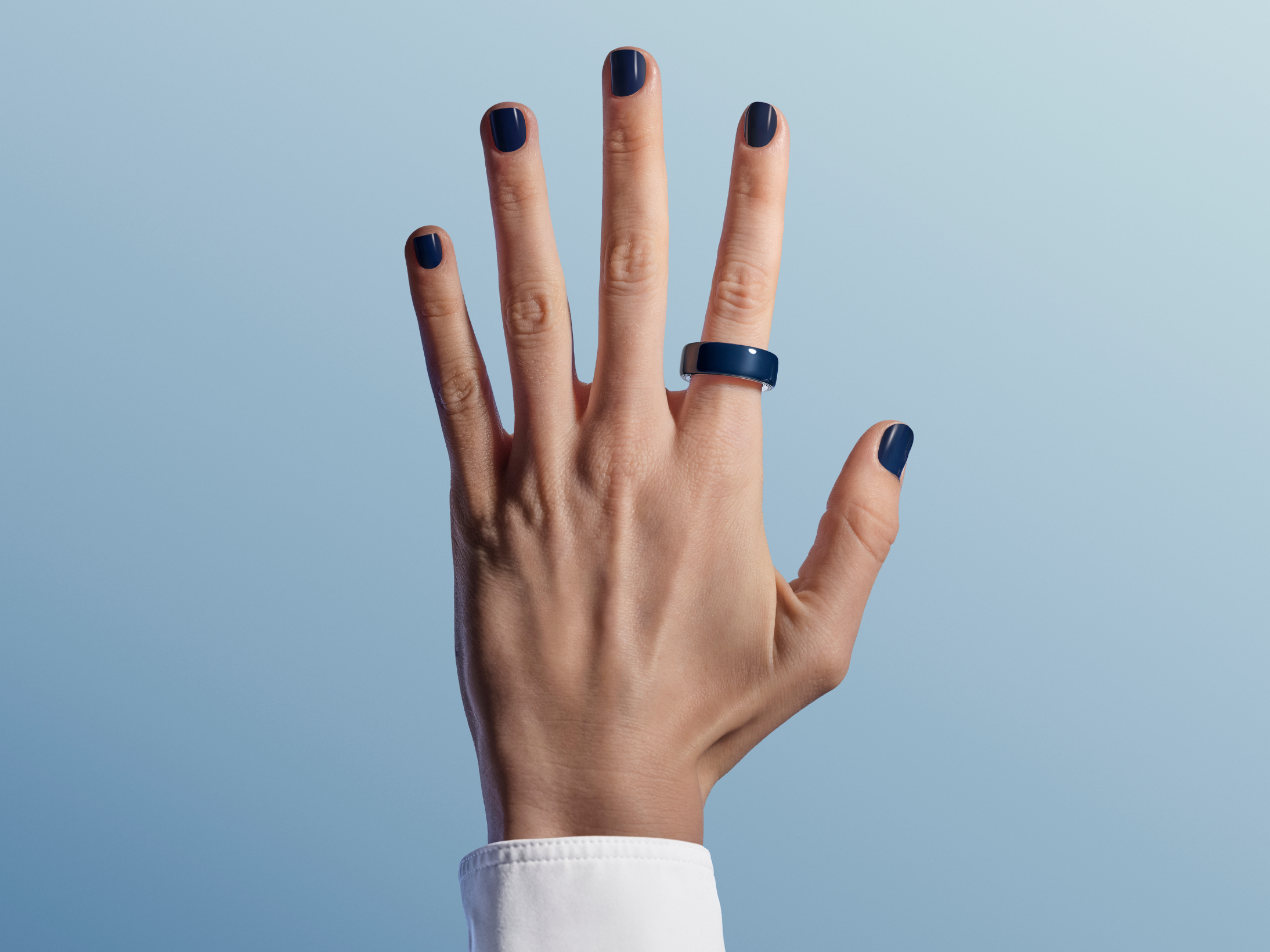
The Oura Ring distinguishes itself in both form and function. It has a minimalistic design that ensures comfort and versatility, allowing it to be worn throughout the day from workouts, to formal events.
In addition, the device has many innovative technological features.
Sleep tracking: The Oura Ring provides detailed insights into sleep stages, including deep sleep, light sleep, and the overall REM cycle. It provides insights into the quality of a user’s rest and generates a score to help users understand their sleep patterns.
Activity Monitoring: Like many other smartwatches, the Oura Ring helps monitor daily activity with personalized daily activity goals and automatic detection of over 40 different activities. The ring tracks your heart rate and performance during these activities.
Core Health Metrics: Oura Ring tracks an assortment of health related metrics, from heart rate, to body temperature, and blood oxygen levels. It has 24/7 heart rate monitoring that tracks heart rate variability, a key indicator to stress and recovery. For body temperature monitoring, the ring measures current skin temperature and the deviation from user baseline, which can indicate changes in health or recovery needs. The blood oxygen level tracking provides insights into blood oxygen saturation, which is crucial for assessing respiratory health.
These metrics all combine to create a readiness score that indicates how prepared a user is for their day and to give advice on lifestyle choices that may affect stress levels. Lastly, the Oura Ring is also particularly effective at tracking menstrual cycles for women by monitoring body temperature fluctuations. These innovative technological features make Oura Ring stand out in its field.
The Science Inside the Ring
So how does such a small device have such a vast amount of capabilities?
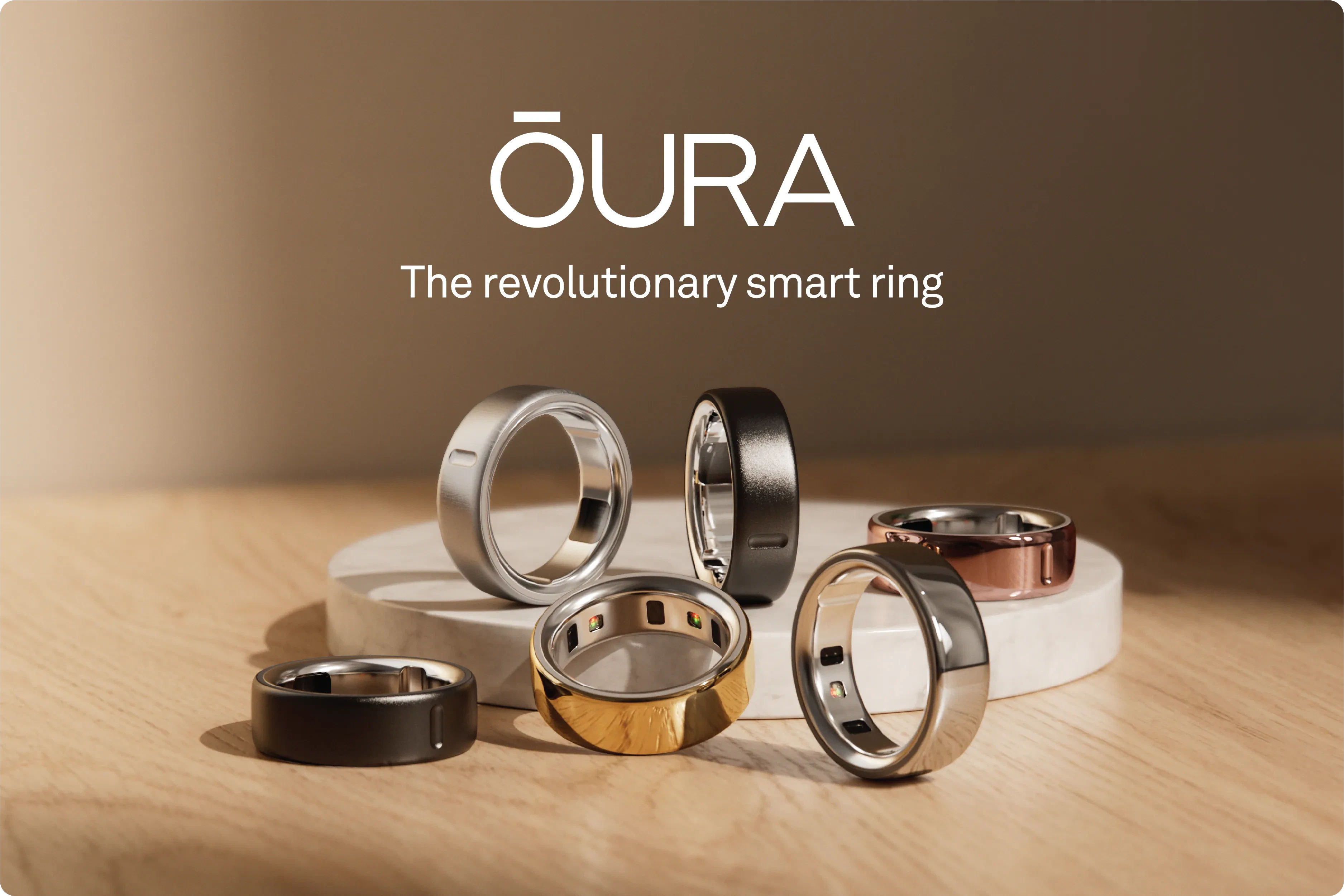
The Oura Ring leverages many state of the art technologies:
Infrared light photoplethysmography sensors measure blood volume changes by shining a light through the skin, the data is then used to calculate heart rate and heart rate variability.
Infrared LEDs provide insights on respiratory health by measuring blood oxygen levels. The ring uses negative temperature coefficient (NTC) sensors to measure skin temperature
An accelerometer and gyroscope is used to track motion to provide users with a summary of their daily activity.
All this information is processed using machine learning algorithms to learn user behavior and presented to the user in a simple user friendly application. Independent studies have validated the ring’s accuracy in sleep and health monitoring, making it a trusted tool for both personal and professional use.
Real-World Impact?
The versatility, large range of features, and overall accuracy of the ring makes it appealing to a wide range of users. It provides relatively accurate sleep data and when it learns user baseline data, can predict early signs of sickness and provide insightful lifestyle advice. When compared with other technologies, Oura Ring stands out in its sleep tracking abilities and user learning functionality. Despite needing a couple months to collect data, the machine learning aspect of the ring has greatly helped users track their health. Its long battery life and sleek design makes it more attractive than traditional smartwatches like the Apple Watch. While some data may be inaccurate, Oura is responsive to user complaints and strives to improve them in their next iteration of products.
The Tradeoffs and Critics
While the Oura Ring has many wonderful features and uses, there are also some downsides. Because the ring collects so much personal health data, users are concerned about the potential usage of their data as shown in other fitness tech companies. Additionally, there have been frustrations over the Oura Ring’s slow pace of innovation. Critics have noted that despite being in the market for several years, the ring has yet to have substantial feature updates on main user concerns, such as battery life, and limited fitness tracking features. For instance, the sleep staging system introduced years ago still remains in beta. Furthermore, Oura Rings are pricey, costing over $300 to purchase with an additional monthly or annual subscription. This has made the Oura Ring less accessible with many feeling like the price is not worth the benefits, especially when feature enhancements are not very frequent. Finally, some users note that health tech culture in general, exacerbated by the Oura Ring, has led people to develop an unhealthy obsession with achieving optimal health metrics, causing more stress rather than promoting well-being. Despite these challenges, many users still appreciate the Oura Ring for its features and simple design.
Looking Ahead
The future of health and fitness technology is rapidly evolving, focusing on increased personalization, integration with other healthcare technologies, and focusing on holistic wellness. Firstly, while 2024 has been a big year for wearable technology, it is projected to continue expanding, as devices are becoming essential for health monitoring. Sensors will most likely improve to better capture and interpret data. Secondly, the integration of Artificial Intelligence (AI) to maximize personalization can revolutionize fitness by tailoring plans for users based on collected data. There have already been signs of this such as Oura Ring’s machine learning algorithms to better suit individual users. Lastly, the idea of monitoring overall health rather than just fitness has been growing. This is reflected in the metrics presented by the Oura Ring, where they not only cover fitness statistics, but also metrics on sleep quality, recovery, and menstrual cycles. Future devices may also be able to integrate with existing health systems, such as smart beds or nutrition apps, to better look at holistic health.
Final Thoughts
With the rapid expansion of wearables, the Oura Ring’s innovation, versatility, and accuracy makes it a leader in health technology. As health tech continues to evolve, the Oura Ring’s journey and impact shows how far technology has come and the power of combining technology with human need to track health.
https://www.instagram.com/reel/DNEQ2jiyVL5/?igsh=MWNqenczbnVwZXVmZA==